The accent chassis number location is used to identify the vehicle body and registration record, while the engine number identifies the engine itself. You need both in different situations. For body, trim, fuel-system, and catalog checks, start with the chassis number or VIN. For engine-specific items such as spark plugs, the engine number can help confirm the engine family.
Korea Auto Parts supports Hyundai and Kia buyers with parts matching, export supply, and service support across repair, ignition, sensor, fuel, filter, and brake categories. When a number is unclear, Korea Auto Parts can work better with photos of the label, the old part, and the vehicle details instead of a typed guess.
Chassis Number and Engine Number Are Not the Same
Vehicle Identity
The chassis number is usually discussed as the VIN in export parts work. It ties to the vehicle body and identity record. U.S. rules require VIN placement that can be read through the glazing from outside the vehicle, which is why the lower windshield area is a common first check. The VIN placement rule gives the legal background for that visible location.
On an Accent, the practical first checks are the lower driver’s-side windshield, the driver’s door label area, and market-specific body stamping or registration documents. If one number is damaged or unclear, compare another source before buying parts.
Engine Identity
The engine number is tied to the engine block or engine assembly. Its location can vary by engine family and market, and it may be harder to photograph because it can sit low, behind components, or near dirty cast surfaces. Mechanics may need a light, mirror, or cleaned area to read it.
The engine number is useful when the parts question is truly engine-specific. Spark plugs, coils, sensors, belts, gaskets, and some service parts may need engine confirmation. Still, the engine number does not replace the VIN for the whole vehicle record.
A helpful rule is simple: use the chassis number when the question begins with the vehicle, and use the engine number when the question begins with the engine. If the request is for a bumper, lamp, door mirror, or many fuel-system listings, start from the body identity. If the request is for plugs, coils, engine sensors, timing parts, or internal engine service items, bring engine data into the conversation early.
Where to Look on a Hyundai Accent
Common Chassis Number Spots
Start with the windshield plate, then the driver’s door opening. Take one close photo and one wider photo showing the location. A number typed into a message can be wrong by one character, and one wrong character can send a supplier toward the wrong catalog path. This happens more often than anyone wants to admit.
The accent chassis number location is also useful when the car has a mixed history. Imported used cars, accident repairs, and replaced doors can all make the visible labels less tidy. If the dashboard VIN, door label, and document do not agree, treat the parts order as paused until the customer explains the mismatch.
For U.S.-market vehicles, the VIN decoder can help interpret the VIN. For other markets, use local registration documents and supplier catalog logic. The purpose is the same: reduce guesswork before the order is placed.
Common Engine Number Spots
The engine number is usually found on the engine block, often on a machined or stamped area. The exact spot depends on the engine and market. If the car is dirty or has oil residue, do not scrape aggressively. Clean lightly, photograph from two angles, and include a wider shot so the supplier can see which side of the engine was checked.
Do not expect the engine number to be as easy as the windshield VIN. It may be low, dusty, or partly blocked by hoses and brackets. A rushed photo can be worse than no photo because it gives false confidence. If the number is not readable, say so and send the old part number instead.
Why the Difference Matters for Spark Plugs
Engine-Specific Selection
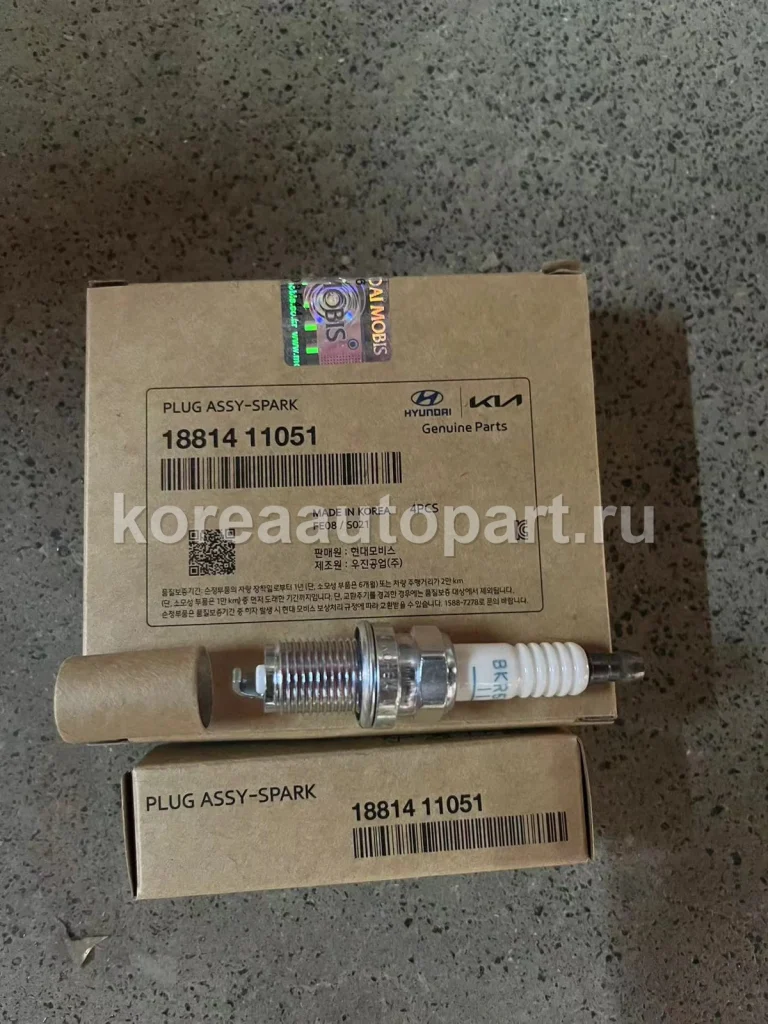
A wrong spark plug may thread in and still be unsuitable. It can cause misfire, poor starting, rough idle, or carbon buildup complaints. That is why a supplier may ask for both the chassis number and engine details when the vehicle has several market versions.
Product Data for Sourcing
Common Mistakes Buyers Make
Using Only One Number
A chassis number is powerful, but it does not answer every engine question by itself. An engine number is useful, but it does not prove the whole vehicle identity. Use the chassis number to narrow the vehicle record, then use engine data and the removed part to confirm engine-specific items.
Trusting Replaced Labels
Accident repair can replace doors, panels, labels, or even engines. If the numbers conflict, pause the order. Ask for documents and old-part photos. For export parts, it is better to lose one hour checking than to lose weeks on a return.
How to Send a Clean Fitment Request
Photo Package
Send a dashboard VIN photo, door-label photo, engine-number photo if readable, removed spark plug photo, and model year. Include market information if the vehicle was imported used. Do not crop labels too tightly. The surrounding area helps confirm where the number came from.
Supplier Notes
Tell the supplier whether the job is routine maintenance, misfire repair, or bulk stock. A spark plug used for a confirmed repair may need stricter matching than a general catalog inquiry. Small context helps Korea Auto Parts recommend the right order path.
For workshops, add the symptom if there is one. Rough idle, hard cold start, high fuel use, or a misfire code can point to related checks such as coils and plug wells. For wholesalers, add the target sales market and expected quantity. The same spark plug request can mean one urgent repair or a carton for shelf stock, and the supplier should know which one it is.
Ask Korea Auto Parts Before You Mix the Numbers
Practical Buying Judgment
The accent chassis number location helps you identify the vehicle. The engine number helps when the part depends on engine detail. For spark plugs, use both when possible, then check the removed part before buying. That is the cleanest way to avoid a simple but expensive mismatch.
Service and Contact
Korea Auto Parts can review your fitment photos, product request, and order quantity before shipment. Use the technical order route to prepare the request, then contact Korea Auto Parts when the vehicle and engine details are ready.
FAQ
Is the Hyundai Accent chassis number the same as the engine number?
No. The chassis number or VIN identifies the vehicle body and registration record. The engine number identifies the engine. They support different fitment questions.
Which number matters more for 18814-11051 spark plugs?
Start with the chassis number or VIN, then confirm engine details and the removed plug. Spark plugs are engine-specific, so body identity alone may not be enough.
What if the accent chassis number location is damaged or unreadable?
Use the door label, registration documents, market information, engine number, and removed part photos. Send all of them to Korea Auto Parts before ordering.